


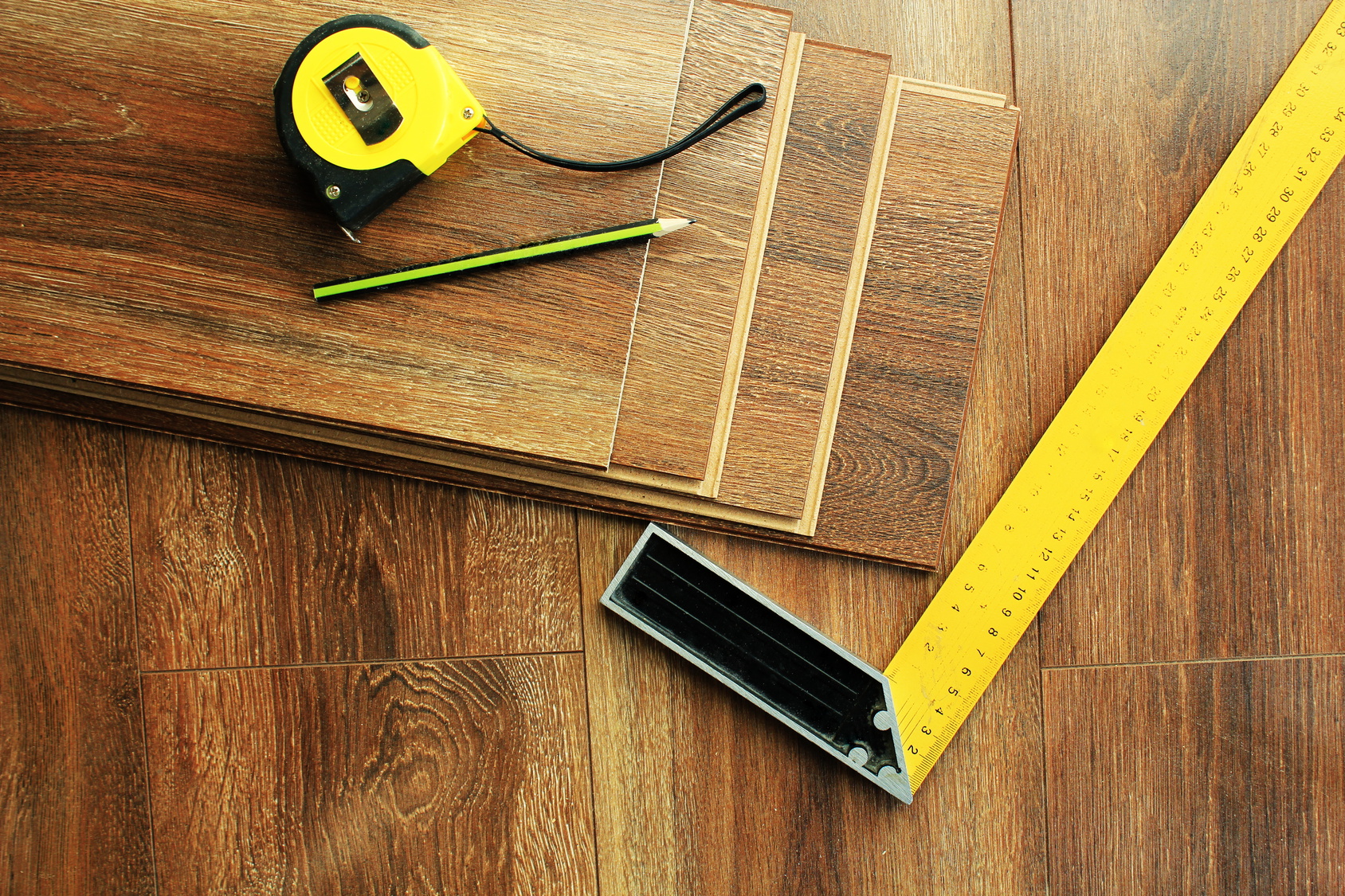
You've got the keys to that 1960s bungalow in northwest Oklahoma City, and the first thing you notice walking through the door isn't the crown molding — it's the avocado-green carpet that's been holding on since the Reagan administration. Or maybe you're in a newer build out in Edmond where the builder-grade carpet has taken three kids, two dogs, and one particularly eventful holiday party to its breaking point. Either way, you know the floors have to go. But the question that keeps you up at night is simpler than you think: how long is this actually going to take?
The answer depends on more than just square footage. Here's what shapes the timeline and how to think about it realistically.
What Actually Drives the Timeline
A full flooring replacement isn't a single event — it's a sequence. You've got furniture clearing, old floor removal, subfloor inspection, material acclimation, installation, and cleanup. Each step compounds.
The biggest variable is what you're putting down. Carpet can go from bare subfloor to finished in a day or two across an entire home. Hardwood brings a different rhythm — planks need time to adjust to your home's humidity before they ever touch the subfloor, and installation itself moves more deliberately. Then there's the regional weather factor: if an ice storm rolls through or temperatures spike, outdoor staging and material handling can shift by a day. A good installer accounts for this in their schedule.
Square footage matters too, but less than you'd think. A 2,000-square-foot home with a consistent layout takes less time than a 1,500-square-foot warren of hallways, closets, and odd transitions. The floor plan's complexity often outweighs the square number.
Carpet: The Timeline-Friendly Choice
If speed is your top priority, carpet is hard to beat. A professional crew can typically replace carpet across an entire three-bedroom home in one to three days, start to finish. There's no acclimation period to wait through, no adhesives that need curing, and the installation itself moves fast once the old material is out.
For local homeowners, carpet also brings practical benefits that go beyond the install calendar. Those cold January mornings hit differently when your feet land on a plush cut pile instead of a hard, cold surface. Families with young kids often lean toward softer textures for playrooms and bedrooms precisely because they soften both the sound and the landing.
If you're weighing your options, start by browsing through the cut pile, loop, and patterned textures in stock — seeing what's available helps you understand which direction makes sense for your timeline and your budget.
When Hardwood Enters the Picture
Hardwood brings a longer timeline, and that's not a flaw — it's the nature of the material. Solid or engineered planks need to sit in the home's environment for 48 to 72 hours before installation. In a climate where indoor humidity swings significantly between summer and winter, this step is non-negotiable. Skip it and you're inviting gaps, cupping, or buckling within the first season change.
Installation itself takes longer too. Where carpet rolls out room by room, hardwood demands precise cuts around door jambs, transitions between spaces, and careful staggering to avoid visible seam patterns. A full-home hardwood install typically runs five to seven working days with an experienced crew on the job.
The trade-off, of course, is permanence. A solid or engineered plank with the right tone and width becomes part of the house in a way carpet simply doesn't. Many homeowners choose a hybrid approach — hardwood in living areas for the look and durability, with carpet reserved for upstairs bedrooms where warmth and quiet matter most.
The Pro Factor: Why Who You Hire Changes Everything
An experienced installation team doesn't just work faster — they work smarter. They stage materials the day before. They bring the right number of crew members so there's no standing around. They show up with a realistic day-by-day plan, not a vague promise to "get it done sometime this week."
This is where working with a distributor that handles both product and installation makes a real difference. When the same company supplies the flooring and runs the install, there's no finger-pointing if a material issue arises. The crew walks in knowing exactly what they're working with because they've handled it before. For a whole-home replacement — especially one mixing carpet and hardwood — professional installation with a dedicated project team keeps your timeline honest and your stress level manageable.
And if you're still deciding and can't make it to a showroom, having flooring samples brought directly to your door lets you see how textures and colors actually read in your home's light before you commit to a timeline at all.
A full flooring replacement in the Oklahoma City area typically runs anywhere from two days for all-carpet to five to seven days for all-hardwood, with hybrid projects falling somewhere in between. The variables — home layout, material choice, crew experience, weather — are all manageable when you plan around them rather than reacting to them.
If you're ready to get a realistic timeline for your specific home, we'll walk through the options and put together a schedule that works for your life. Start with a free project estimate and we'll help you figure out the rest from there.


