


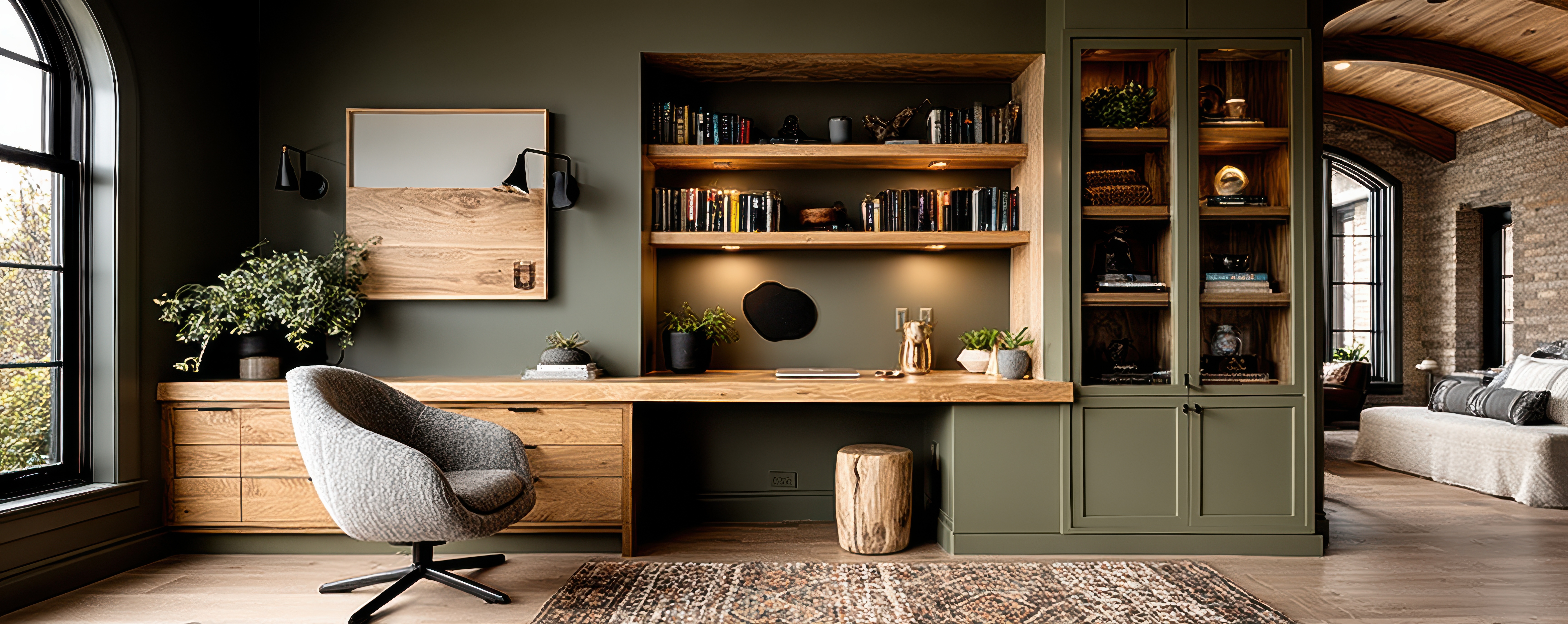
When your home office doubles as a conference room, focus zone, and sometimes a catch-all space, noise becomes more than a small annoyance. Chair wheels rattle, footsteps echo down the hall, and every dropped pen sounds louder than it should. For homeowners in Oklahoma City, the right floor can make the room feel calmer, more private, and easier to work in for hours at a time.
Why softer flooring works better in a workspace
A productive office usually needs two things at once: comfort underfoot and less sound bouncing around the room. Hard surfaces can look sharp, but they also reflect noise. Carpet helps absorb it. That matters during video calls, while typing through long workdays, or when the rest of the house is still moving around behind you.
The biggest advantage is not just softness. It is sound control that feels immediate. A quieter room can reduce distraction and make conversations easier to hear without turning up your headset volume. If you are comparing styles, textures, and pile types, it helps to browse a full range of bedroom- and office-friendly carpet textures before settling on a color alone.
The best carpet features for a quiet home office
Not every carpet will perform the same way in a work-from-home setting. Dense construction tends to feel more stable under a desk chair, while the right texture can soften the overall acoustics of the room. In many cases, homeowners do best when they prioritize a few practical details:
- Lower, tighter piles that move more easily under office chairs
- Dense fibers that help muffle foot traffic
- Colors and patterns that hide daily wear between cleanings
- A surface that feels comfortable during long seated work sessions
Those details matter even more if your office sits near a living area or hallway. In busy households from Round Rock to larger metro homes, the quieter choice is often the one that balances warmth with day-to-day durability. If you also want help understanding what is included once you pick a product, our overview of flooring installation for residential and commercial spaces explains the support we provide for flooring projects.
When carpet tile makes more sense
Traditional broadloom carpet is not the only option for a quiet office. In some rooms, modular flooring can be the smarter fit. Carpet tile works especially well when you want a little more flexibility around desk layouts, future replacement, or patterned design. If one area takes the most wear from a rolling chair, replacing a section is simpler than redoing the whole room.
That practical advantage is why many homeowners and small business owners alike look at modular office flooring with replaceable sections when planning a workspace. It gives you a clean, tailored look while still helping soften sound. For people who want to compare samples without running all over town, bringing flooring samples directly to your home can make the decision easier in the room where the material will actually live.
Think beyond sound alone
Quiet matters, but comfort and confidence matter too. A home office floor should support how you work every day, not just photograph well on day one. Pay attention to how the surface feels under a chair, how it handles routine traffic, and whether the color keeps the room feeling focused instead of busy. In San Antonio and similar climates, many homeowners also appreciate materials that make a room feel a little softer and less stark overall.
The best choice usually comes down to how you use the room: all-day solo work, frequent calls, shared household traffic, or a flex space that changes week to week. Once you narrow that down, the right flooring becomes much easier to spot.
A quieter office can change how the whole day feels. If you are ready to compare options for your space, start with a free project estimate for your flooring update.


